
Out Apiary - what? where? when? And why...?
We’re passionate about beekeeping and the vital role honeybees play in our ecosystem. “Out apiaries” form a vital extension of our commitment to sustainable beekeeping practices and environmental stewardship. Here, we’ll explore what an out apiary is and things to consider when setting up an “out apiary.”
All Beekeeping Associations will receive “out–apiary” offers and opportunities from people and organisations who would be prepared to house a hive (or more) on land they occupy, be this a garden or community space or more extensive farm land or estate properties. Here in Buckinghamshire, these opportunities are held by the association local to that location, such that beekeepers who might not have the opportunity to house their own bees themselves, or more established beekeepers who are looking to increase their colony numbers, can contact the local association enquiring as to out–apiary locations that have been offered in their area.
What is an Out Apiary?
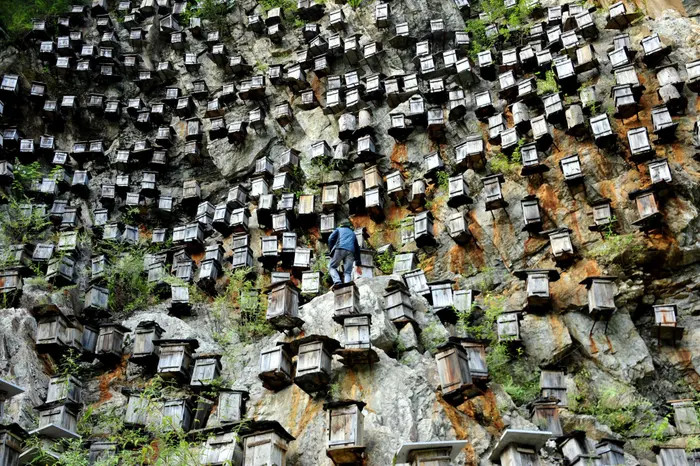
An out-apiary is a location outside of a beekeeper’s primary residence or beekeeping facility where beehives are placed for the purpose of honey production, pollination, or educational activities. Unlike urban or back garden hives, which are typically located on residential properties or in urban environments, out apiaries are situated in rural or remote areas with ample forage and minimal human activity.
How does an "Out" apiary differ from a usual apiary?
Location:
Out-apiaries are typically located in rural or countryside settings, away from densely populated areas and urban environments. This provides honeybees with access to diverse forage sources, including wildflowers, meadows, as well as seasonal agricultural crops, like oil seed rape.
Scale:
Out-apiaries may consist of a larger number of beehives compared to a back garden or urban apiary. Beekeepers often maintain multiple hives at out apiaries to maximise honey production, facilitate pollination services, or support commercial beekeeping operations.
Purpose:
The primary purpose of out-apiaries varies depending on the beekeeper’s objectives. Some out apiaries focus on honey production, while others are established for pollination services, queen rearing or research and education initiatives… even quarantine purposes, as the temperament and health of a new colony is determined.
Management Practices:
Beekeeping practices at out-apiaries may differ from those employed in urban or back garden settings. Beekeepers will consider factors such as hive placement, hive density, disease management, and predator control to maintain healthy honeybee colonies in remote locations.
Accessibility:
Out-apiaries may be located in remote or secluded areas, requiring beekeepers to travel greater distances for hive inspections, maintenance, and honey harvesting. Adequate access roads, transportation, and storage facilities are essential for managing out apiaries effectively.
Our Commitment to Sustainable Beekeeping:
We are dedicated to promoting sustainable beekeeping practices and supporting the health and vitality of honeybee populations. An out-apiary serves as a platform for educational outreach, community engagement, and environmental conservation efforts. Through responsible hive management, habitat preservation, and pollinator advocacy, we strive to create a thriving ecosystem where bees and humans coexist harmoniously.
Explore Our Apiaries:
Join us at the MBBKA on a journey to our apiary locations and discover the fascinating world of beekeeping beyond the hive. Explore our hive setups, learn about our beekeeping practices, and see firsthand how honeybees contribute to the biodiversity and beauty of our natural surroundings.
Get Involved:
Interested in learning more about beekeeping or getting involved in our out apiary initiatives? Join us for beekeeping workshops, volunteer opportunities, or guided tours of our apiary. Together, we can make a difference for bees and the environment. Find more details and contact opportunities on our Contact page.
Further Information:
The BBKA provide a leaflet on things to consider when siting a bee hive (or two) in an allotment. Allotments are usually considered out-apiaries, so the considerations for allotments will generally match those of any out-apiary. This leaflet can be downloaded here.
So, in conclusion:
An out-apiary represents a sanctuary for honeybees, a hub for beekeeping innovation, and a beacon of hope for pollinator conservation. Join us in our mission to protect bees, preserve habitats, and cultivate a sustainable future for generations to come.
If you believe you have a suitable location and you would like to house a beekeeper’s bees at your location, please complete and submit this form below…